We live in the age of information. Believe it or not, we don’t need more information; we need insight.
If you scroll through your phone for five minutes, you’ll be hit with more data points than a 17th-century scholar encountered in a lifetime. We are drowning in "the what." We have charts for climate change, infographics for viral mutations, and threads for AI ethics. Yet, despite this flood of data, the gap between scientific discovery and public trust feels wider than ever.
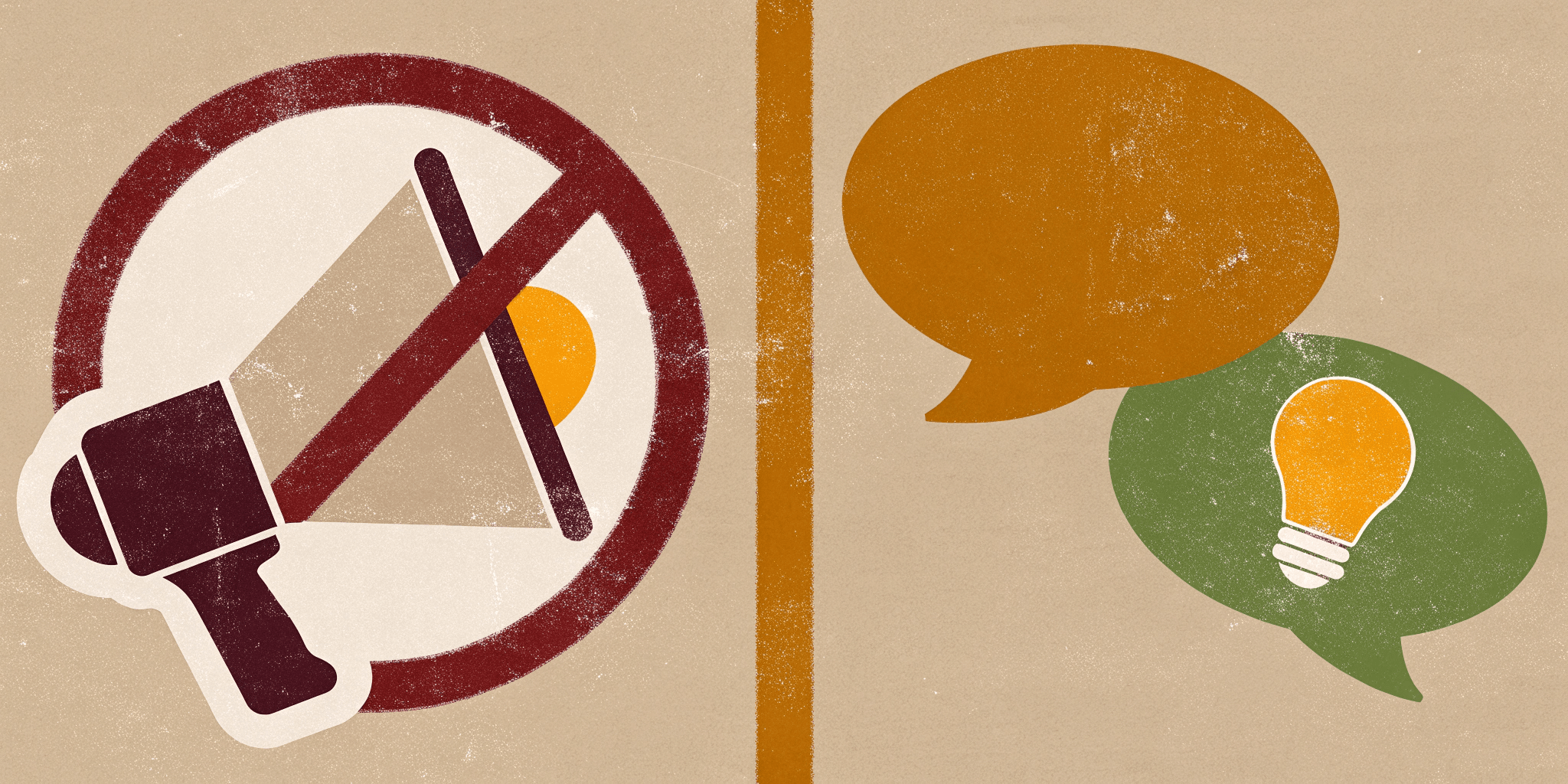
For decades, the gold standard of science communication has been a one-way broadcast—a "sage on the stage" explaining the world to a passive audience. But in a world overflowing with information, people don't want to be talked at. They want to be understood. They want insight, not just input.
It’s time to turn Science Communication into Science Conversation.
Why the "Broadcast" Model is Breaking
We live in an era of information abundance and attention scarcity. When we approach science communication for the public as a one-way broadcast, we are competing with influencers, politicians, and algorithms that are much better at "the human touch" than an academic paper.
The old way of scicomm feels like a lecture. It’s hierarchical. The tone is precisely what drives people toward "alternative" sources. People don't want to be talked at; they want to be part of the process.
To move toward a science communication conversation, we have to stop seeing "the public" as a monolithic block of people who need to be taught. Instead, we need to see them as partners who have their own valid expertise, expertise in their own lives, and their own values.
The Mechanics of a Science Conversation
What does a "conversation" actually look like in practice? It’s more than just replying to comments on a social media post. It requires a shift in science communication techniques and a new set of science communication skills.
Active Listening Over Active Explaining
Most science communication skills training focuses on how to speak clearly. Very little focuses on how to listen. In a conversation, listening is the most radical thing a scientist can do.
If you’re discussing biodiversity with a local farming community, the conversation shouldn't start with a lecture on nitrogen cycles. It should start with: "What changes have you seen in your soil over the last ten years?" By the time you share the science, it isn't a lecture anymore; it’s an answer to a question they actually asked. That is how you provide insight.
Embracing the "I Don't Know"
One of the most powerful science communication tools is vulnerability. In the old model, admitting uncertainty was seen as a weakness that could be exploited by skeptics. In the conversation model, uncertainty is a bridge.
When a researcher says, "The data is pointing this way, but we’re still figuring out this specific piece," it invites the public into the scientific process. It shows that science isn't a collection of static "truths," but a living, breathing, and often messy process of discovery.
The Role of Digital Literacy and New Media
We cannot ignore the platforms where these conversations are happening. Whether it’s science communication on Instagram or a deep dive on Reddit, the medium dictates the tone.
The most successful scicommers today, the ones who are actually moving the needle, aren't the ones with the most citations. They are the ones who show up in the comments. They acknowledge the memes. They are using science communication on social media to dismantle the "untouchable scientist" trope.
By engaging in these spaces, we move from being a "source" to being a "resource."
Science Communication Ethics and the "Human" Element
As we transition to this model, we have to talk about science communication ethics. A conversation implies a power balance. If we use "conversation" as a sneaky way to just manipulate people into agreeing with us, that’s not a conversation, it’s marketing.
Authentic science communication strategies require us to be honest about the limitations of our work. It requires science communication and knowledge translation that respects the audience’s intelligence. We need to stop "dumbing it down" and start "opening it up."
Why This Matters for the Future
Why should a busy researcher care about this? Why should a student pursuing a science communication masters or looking at science communication jobs focus on dialogue over delivery?
Because insight creates impact.
Communication tells someone that the climate is changing.
Conversation helps a community figure out how to protect their specific coastline.
Communication explains how a vaccine works.
Conversation addresses the specific cultural fears that lead to vaccine hesitancy.
As we move toward science communication 2026, the goal isn't just to be "heard." The goal is to be useful. When we treat science communication for the public as a partnership, we don't just "spread science", we integrate it into the social fabric.
Conclusion
Collective action requires collective trust. And trust is the byproduct of conversation.
When we stop being the "voice of authority" and start being a "partner in inquiry," we don't lose our expertise. We gain an audience. We move from being a footnote in a science communication textbook to being a vital part of the social fabric.
Science is a human endeavour. It’s time our communication reflected that.