The era of "digital transformation" in healthcare has finally matured. By 2026, we’ve moved past the initial hype of generative AI and the scattered messaging of the early 2020s. We’ve entered what many are calling the Age of Orchestration.
In this landscape, the way people interact with health information has changed. Patients are no longer just passive recipients of a marketing campaign; they are "Prosumers", active participants who manage their own health data and use AI tools to filter out anything that feels unverified or irrelevant.
For those of us in healthcare marketing and science communication, this means our roles are evolving. We’re moving away from simply selling a product or service. Instead, our job is to become a trusted source of truth, helping patients navigate their options and orchestrating the information they need to achieve better health outcomes.
1. From Campaigns to Conversations
Back in 2024, we mostly used AI to speed up our writing. By 2026, the focus has shifted from writing faster to acting smarter. We’ve moved away from basic chatbots and toward Agentic AI, tools that don't just wait for a prompt, but proactively solve problems for the person on the other side of the screen.
AI is rapidly transforming how content is created and delivered in healthcare. In 2026, new generative AI platforms are emerging that can automate content production and approval, accelerating the rollout of compliant marketing materials. These tools promise to hyper-personalize content – allowing marketers to tailor messaging to specific healthcare professionals (HCPs) or patient segments faster than ever
For healthcare marketing, this means the death of the “one-size-fits-all” strategy.
We are moving away from "reaching" an audience and toward truly attending to an individual. It’s less about grabbing attention and more about providing continuous, meaningful support.
2. Proof of Provenance: Trust as a Competitive Advantage
In a world of deepfakes and “hallucinated” medical advice, trust is the rarest commodity. In 2026, the most successful healthcare brands are those that prioritize “Proof of Provenance.”
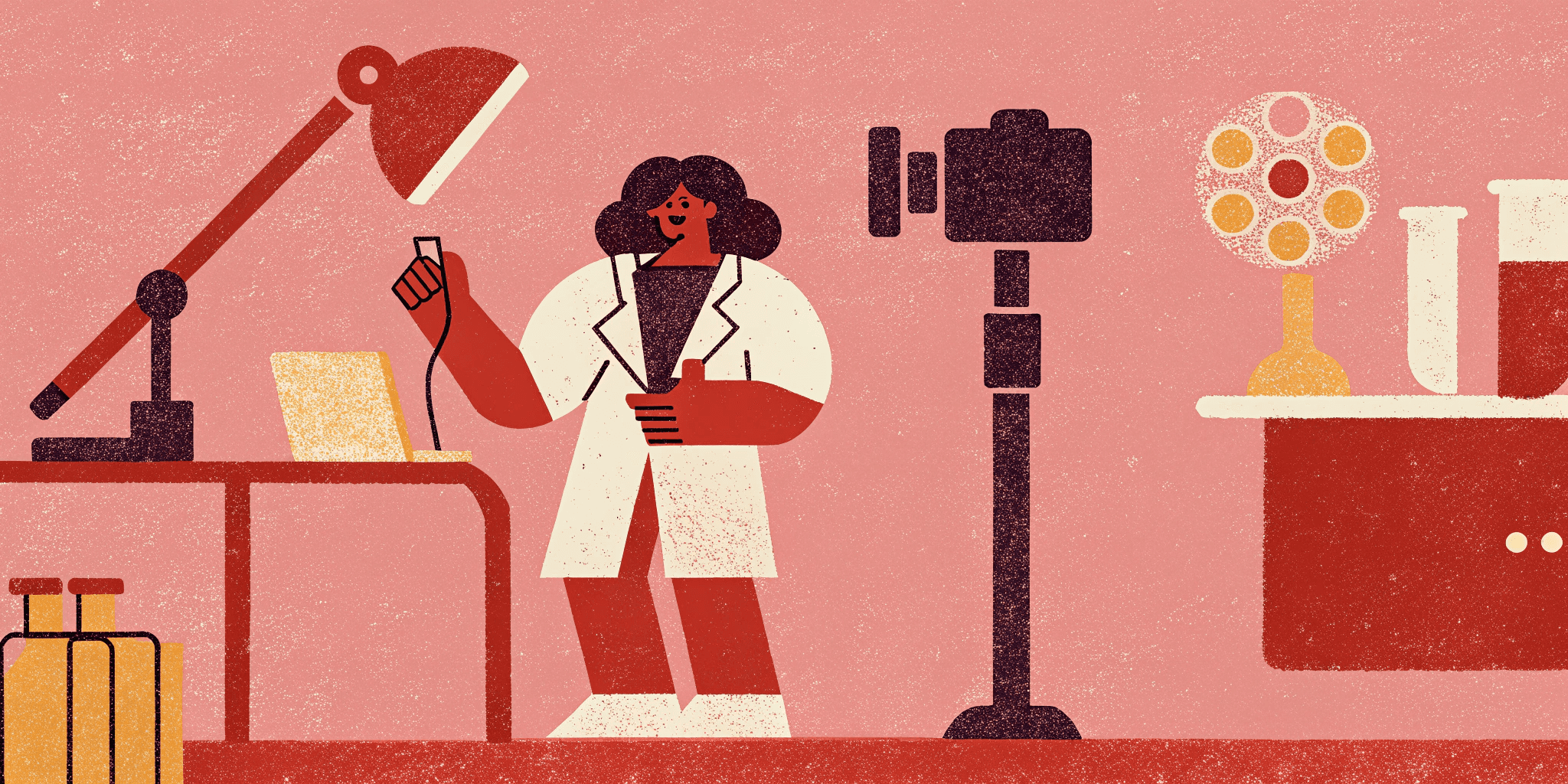
We are seeing a move away from polished, corporate videos toward HCP-led storytelling. Real doctors, researchers, and nurses are the new “influencers”.
When people trust your brand’s voice, they are more likely to listen to health advice, follow treatment plans, and choose your services when in need. In short, trust drives engagement – and engagement drives outcomes in both communication and marketing.
3. Immersive Science: From “Telling” to “Showing”
The 2D brochure is a relic. Science communication in 2026 is tactile. Using AR-enabled smart glasses or even just mobile-based spatial computing, we can now show a patient the “Mechanism of Action” in 3D.
Instead of reading about how a monoclonal antibody works, a patient can “walk through” their own bloodstream and see the cellular defense in action. This isn’t just a “wow” factor; it’s about health literacy. When people truly understand how their treatment works, their adherence rates skyrocket.
Importantly, effective storytelling does not dumb down the science or compromise accuracy; rather, it structures and conveys complex information in a way that helps the audience understand and retain key insights
By marrying great storytelling with engaging formats, you make your science communication more accessible and impactful. A compelling story told through a dynamic medium not only educates but also resonates emotionally, a combination that drives both understanding and action.
The Bottom Line for 2026
The “marketing” part of healthcare marketing is becoming invisible. In its place is a service-oriented model where science communication is a bridge to better living.
To win in 2026, stop trying to bypass the patient’s skepticism. Instead, give them the tools and the verified data to confirm that you are the partner they’ve been looking for.