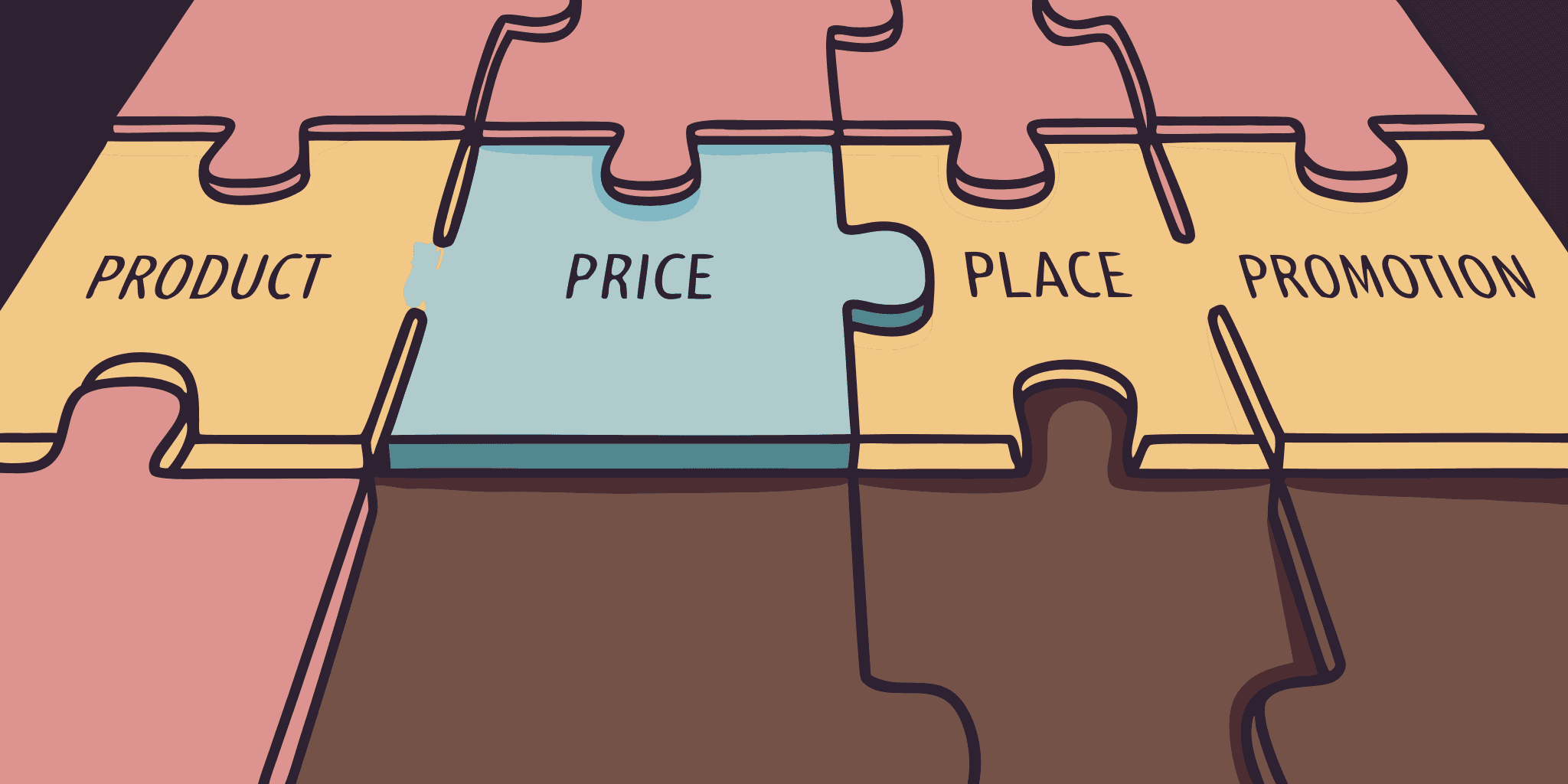
For decades, marketers have used the 4 Ps (Product, Price, Place, Promotion) framework to successfully sell everything from soda to software. But what if we applied this strategy to one of the world's most valuable, yet often misunderstood, assets: science?
It's time to stop thinking of science communication as merely translating jargon. It's about strategic engagement. The real challenge isn't a lack of information; it’s a lack of effective public understanding and trust. By adapting the 4 Ps, we can build better bridges between the lab and the living room.
Reimagining the 4 Ps
We must fundamentally shift the framework’s focus from transactional sales to relational trust and accessibility. Instead of selling a physical good, we are strategically packaging, distributing, and promoting a concept. This adaptation moves the goalpost from a quick purchase to lasting public literacy.
Here’s how we can market the science, not as a product for sale, but as essential knowledge for public good.
1. Product: Your Scientific Idea/Brand
In traditional marketing, the Product is the thing you offer. In science communication, the "Product" is your core scientific idea itself. But we’re not talking about the raw data tables or the 40-page journal article. We’re talking about the meaning you extract from them.
Defining the Core Message
Before you open your mouth (or type a single word), ask: What is the one, single, most important takeaway? This is your Unique Selling Proposition (USP).
Your product must pass the "So What?" test. If the audience doesn't immediately grasp the relevance to their health, community, or curiosity, the product is poorly packaged.
The Scientific Brand
The Brand is the reputation and credibility of the source (you, your team, or your institution). A strong, consistent brand increases the perceived value of the scientific idea. Public trust is deeply tied to the communicator’s brand. To build it: be consistent, be available, and prioritize clarity over complexity.
2. Price: The Cost of Engagement
In this framework, "Price" has nothing to do with money. Instead, it represents the non-monetary Cost of Engagement: the time, mental energy, and emotional effort the audience has to spend to understand and accept your message.
Your mission is to make the engagement low-cost and high-reward.
Reducing Cognitive Load (Lowering the Price)
The highest cost for the public is cognitive load—trying to decode technical language.
Eliminate Jargon: Be ruthless about cutting specialized terms. If you must use one, immediately follow it with a plain-language definition.
Use Analogy: Analogies are the coupons of science communication; they dramatically lower the price. Explaining how DNA works by comparing it to a computer's source code, or explaining an electric current as a traffic jam, helps the audience quickly grasp a complex idea.
Respect Time: Keep videos short, use bullet points, and front-load your most important message. Don't make the audience scroll through five paragraphs of background to find the single result you want them to know.
Addressing the Emotional Cost
Sometimes, the science conflicts with deeply held beliefs (e.g., climate change, certain medical treatments). This creates a high emotional price. Lower it by:
Validating concerns: Start with empathy. Acknowledge the complexity or controversy before presenting the evidence.
Honesty about uncertainty: Showing that science is a process, not a book of absolute facts, builds credibility and lowers the resistance to new findings.
3. Place: Where Science Lives
"Place" is the distribution channel—where the message meets the audience. If you publish a groundbreaking study in an obscure, paywalled journal, you've chosen a poor Place for reaching the general public.
You need to figure out where your target audience already spends their time and then deliver the science there.
The key is strategic alignment. A dense, data-rich report is the right Place for a fellow researcher, but a beautifully designed infographic on Instagram is the right Place for the average citizen interested in the same topic. Choosing the wrong Place is like trying to sell snow boots in the Sahara—the product might be good, but the distribution is flawed.
4. Promotion: Building Trust & Understanding
This is more than just advertising; it's the strategy used to attract attention, generate interest, and, most critically, foster scientific literacy and confidence.
In science communication, Promotion is less about hype and more about authenticity.
Trust as Your Currency: The Transparency Imperative
Effective promotion relies on building and maintaining trust through radical transparency.
Transparency in Methods: Don't just report the result; briefly explain how you got there. When possible, be open about funding sources.
Admitting Limitations: The fastest way to lose credibility is to claim absolute certainty. Acknowledge what is not yet known or the limitations of the current study. This transparency reinforces your objectivity.
Correcting Errors: If new data or an internal mistake requires a retraction or correction, promote the correction just as widely as the original finding.
The Human Element (The Storytelling Hook)
The best promotion uses narrative. Don't just present the facts; present the journey.
Humanize the Researchers: Show the struggle, the accidental discovery, or the sheer joy of the breakthrough. People connect with people, not just data points.
Narrative Framing: Frame the research within a relatable story arc: Problem $\rightarrow$ Investigation $\rightarrow$ Solution/Impact. This makes the information memorable and emotionally engaging.
The Two-Way Conversation
Effective promotion moves beyond simply broadcasting the message. Use active engagement channels—Q&As, polls, interactive comments—to show you are listening. When the audience feels heard, their public trust in the science, and the scientific process, deepens.
Conclusion: Making Strategy Standard Practice
The scientific community doesn't need to become salespeople, but it does need to become strategic communicators. By deliberately considering the four Ps—by refining the Idea (Product), reducing the Cost (Price), choosing the right Channel (Place), and focusing on Trust (Promotion), we elevate science from being a footnote in the news cycle to being an integrated, understood, and trusted part of public life.
Embracing this framework isn't just a marketing gimmick; it's the ethical mandate for the next generation of researchers. Start packaging your idea, lowering the cost, choosing the right place, and promoting trust today. The future of scientific literacy depends on it.