
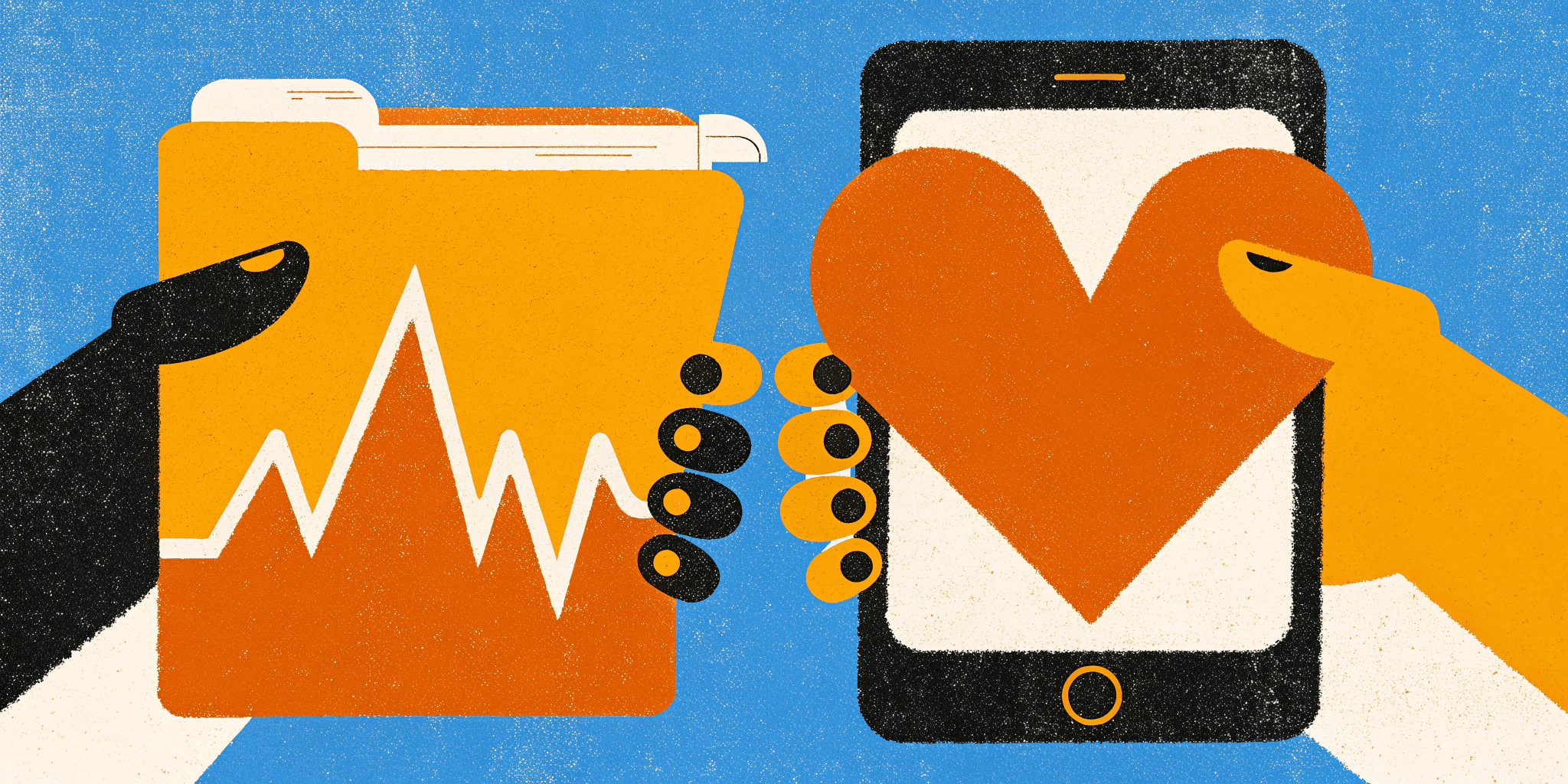
Walk into any healthtech conference in 2026, and you’ll see it: the "Sea of Sameness." A blur of sterile blues, stock photos of smiling doctors, and taglines that all say some variation of "Empowering Patient Care." For decades, this was the "safe" way to do healthcare company branding. If you looked like a hospital, people trusted you with their lives. But in a world where most consumers say the experience a company provides is as important as its products, looking like a legacy institution is a liability.
We’ve entered the era of Health Consumerization. Whether you are selling a SaaS platform to a CXO or an app to a patient, your user is the same person who just finished using Spotify or Zomato. They don't just want clinical accuracy; they want an experience that doesn't feel like a medical chore.
The Trust Gap: Why "Safe" is Now Risky
In traditional medical brand marketing, trust was built through authority. You showed your certifications, your white papers, and your institutional backing.
But today, trust is built through familiarity and empathy. A recent shift in b2b brand health shows that most buyers prioritize functionality, and are more likely to buy from a brand that "feels like they understand our daily struggle."
In digital health branding, personality acts as a bridge. It moves the conversation from "Does this work?" to "Does this care?" When your brand feels human, it signals that the people behind the tech actually understand the exhaustion of a nurse or the anxiety of a patient.
The "B2H" Shift: Drawing Parallels from B2C to B2B
We’ve long operated under the myth that B2B decisions are purely rational; driven by spreadsheets, ROI, and technical specs. But B2B buyers are actually more emotionally connected to their vendors than B2C consumers are. In healthtech, the stakes are higher. If a doctor chooses the wrong EMR, their daily life becomes a nightmare. If a hospital CEO buys the wrong diagnostic AI, their reputation is on the line. This is where B2H (Business-to-Human) branding bridges the gap.
The 3 Big Lessons from B2C
I. Personalization: From "User" to "Person"
B2C brands like Netflix or Amazon don't treat you like a segment; they treat you like an individual based on your behavior.
The B2B Lesson: Your branding should move away from mass "one-size-fits-all" messaging. Modern B2B branding uses data to deliver Hyper-Personalization.
In Practice: Instead of a generic demo, show a surgical head a dashboard that specifically highlights the "minutes saved per surgery", not just "general efficiency."
II. Frictionless Experience
If a B2C app takes more than two taps to get what you want, you delete it. B2B healthtech is notorious for "complexity as a feature."
The B2B Lesson: B2C has taught us that Simplicity is a Trust Signal. If your app is easy to navigate and your product is easy to trial, the buyer subconsciously assumes your clinical tech is just as sophisticated.
In Practice: Borrow the "Self-Serve" model. Let a clinic lead see a "Free-to-Try" version of your tool without having to jump through a 30-minute sales call first.
III. Emotional Storytelling: Selling the "Outcome," Not the "Tool"
B2C brands don't sell products; they sell the "better version of you" that exists after using the product. Nike doesn't sell shoes; it sells the athlete inside you.
The B2B Lesson: Stop selling "Interoperable HL7 Data Pipelines." Sell "The end of the 14-hour workday."
In Practice: A hospital administrator isn't buying software; they are buying the 3 hours of "admin time" they get to give back to their staff. That is a B2C emotional hook.
If your B2B brand doesn't resonate with the person on the ground, you’re stuck in a top-down sales cycle that takes years. If your brand has a B2C soul, your users will do the selling for you.
The B2C Playbook in Action
India is currently the global laboratory for how to make branding in healthcare marketing actually feel… cool. We are seeing a massive shift where healthtech is learning from the best B2C brands.
1. Cult.fit: Making Health a “Badge”
Before Cult, fitness was often seen as a struggle or a medical necessity. Cult.fit flipped the script. They used bold, high-energy visuals and a community-first voice. They didn’t just brand a gym; they branded a “vibe.” This is best healthcare branding in action, turning a health habit into a social identity.
2. Pharmeasy & Practo: The “Helpful Neighbor”
Think about Pharmeasy’s marketing. It’s often quirky, fast-paced, and deeply relatable. They moved away from being a “pharmacy” to being an everyday healthcare brand. They understood that buying medicine is stressful, so their brand personality aims to lower that stress through familiarity and humor.
The Bottom Line
In a market where features are easily copied, your brand personality is the only thing your competitors can’t steal. Clinical excellence will get you through the door, but a B2C soul is what keeps you in the room. Stop building software for systems and start building experiences for humans.