
How gentle tingles are revolutionising the way we learn about black holes, climate change, and why your cat purrs
Picture this: It's 2 AM, you're doom-scrolling through your phone, and you stumble upon someone whispering about quantum entanglement whilst tapping on test tubes. Your first thought? "The internet has officially gotten weird." Your second thought? "Wait... why do I suddenly understand particle physics better than I did at university?"
Welcome to the world where serious science meets relaxation videos that make learning feel like self-care.
What's All This Tingle Business About?
ASMR—Autonomous Sensory Meridian Response—was the most searched term on YouTube in 2024. More popular than cat videos or makeup tutorials.
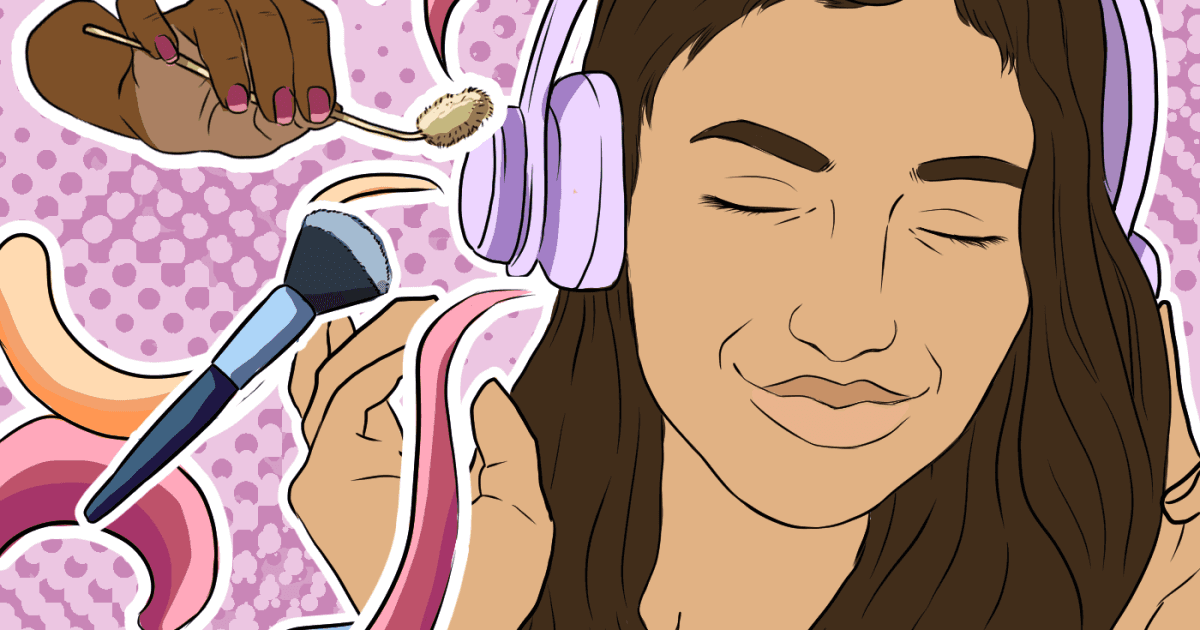
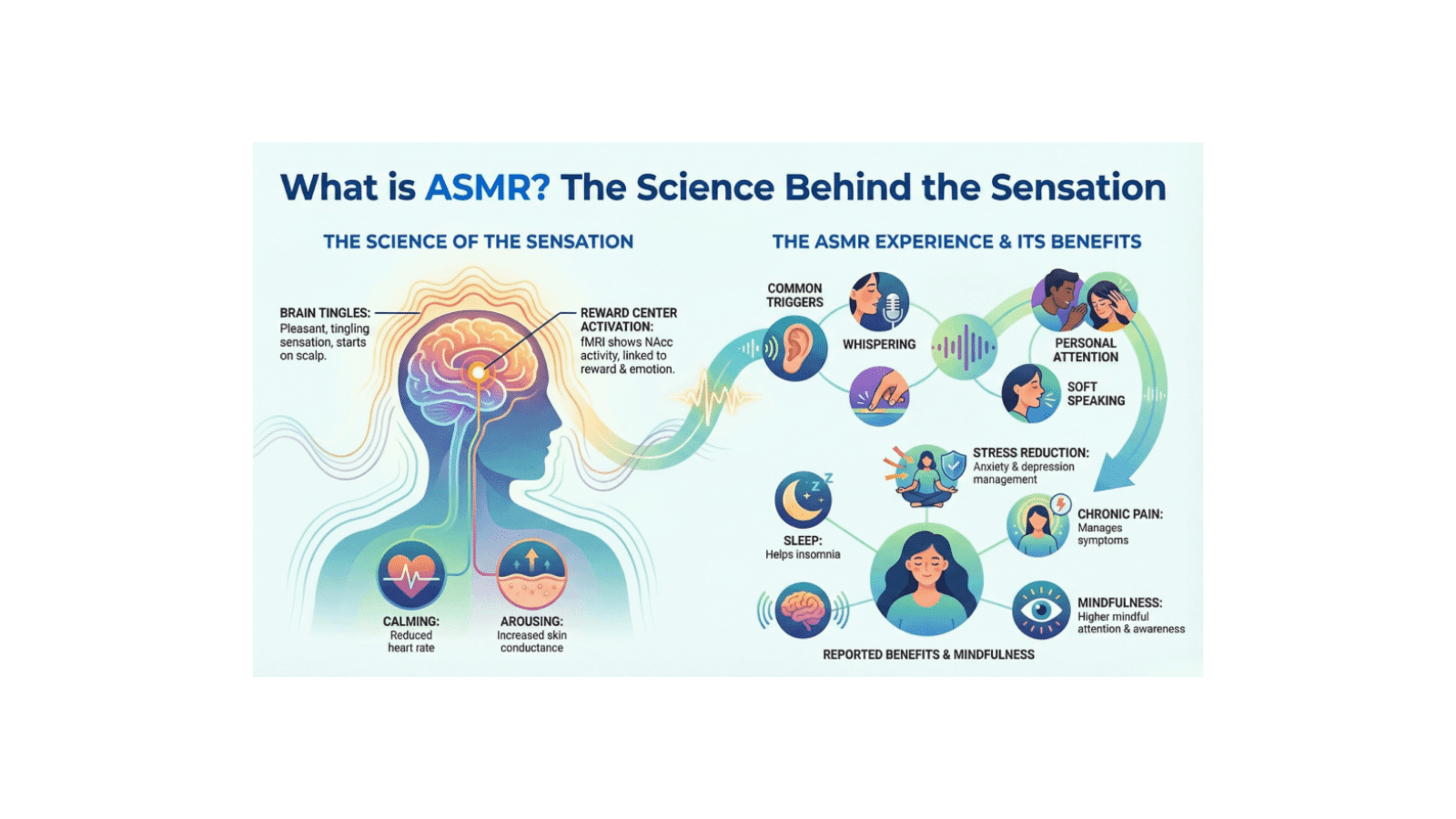
ASMR is that tingly sensation from certain sounds or visuals. When someone whispers, does that nail-tapping thing, or makes paper-crinkling sounds that mysteriously relax you. About 25-30% of people experience it—like discovering their brain has a built-in relaxation switch.
Scientists at Ruhr University Bochum conducted the first systematic review of ASMR research with fascinating results. When people experience ASMR, brain scans show increased activity in regions controlling attention, empathy, and emotional processing. Meanwhile, stress hormones decrease and heart rates slow down.
Dr Craig Richard at ASMR University has documented over 100 published, peer-reviewed studies on ASMR as of 2024. Translation? ASMR optimises your nervous system for absorbing information. Who knew, right?
The Accidental Genius of Bob Ross
Credit: CNN
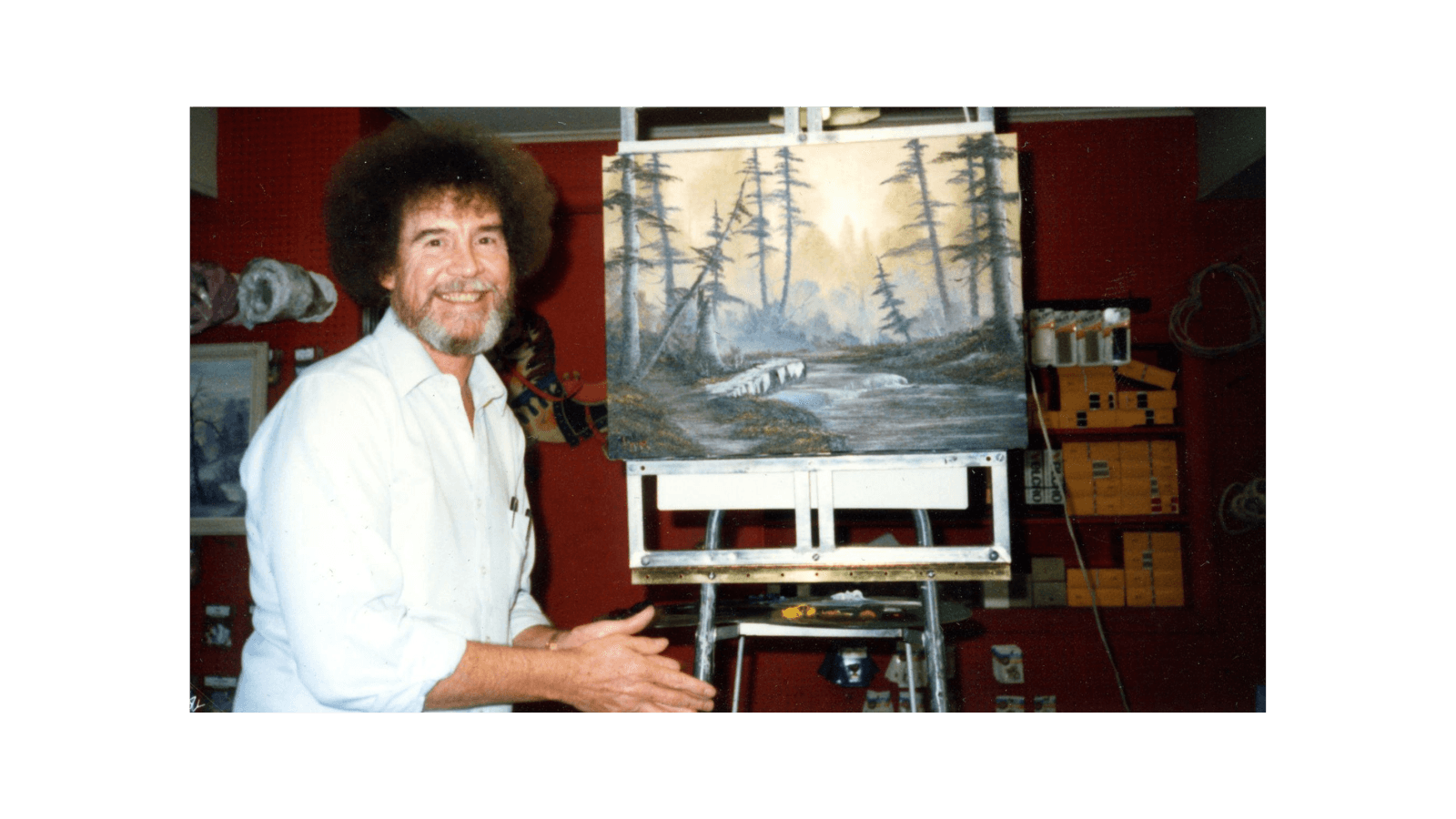
Before anyone knew what ASMR was, Bob Ross was proving that gentle delivery could make complex topics accessible to millions. He taught advanced painting techniques on The Joy of Painting, which reached nearly 100 million households weekly.
Joan Kowalski from Bob Ross Inc. puts it perfectly: "He's sort of the godfather of ASMR." What Ross proved is that you can teach sophisticated concepts without making people feel stupid. His secret wasn't dumbing things down—it was making people feel safe whilst they learnt.
Ross explained colour theory, composition, the wet-on-wet alla prima technique, and artistic principles that art students struggle with. Because he delivered it with patience and warmth, these concepts felt approachable. Most viewers weren't watching to learn painting—they just liked how it made them feel.
The New Wave: Scientists Who Whisper
Credit: Matmos
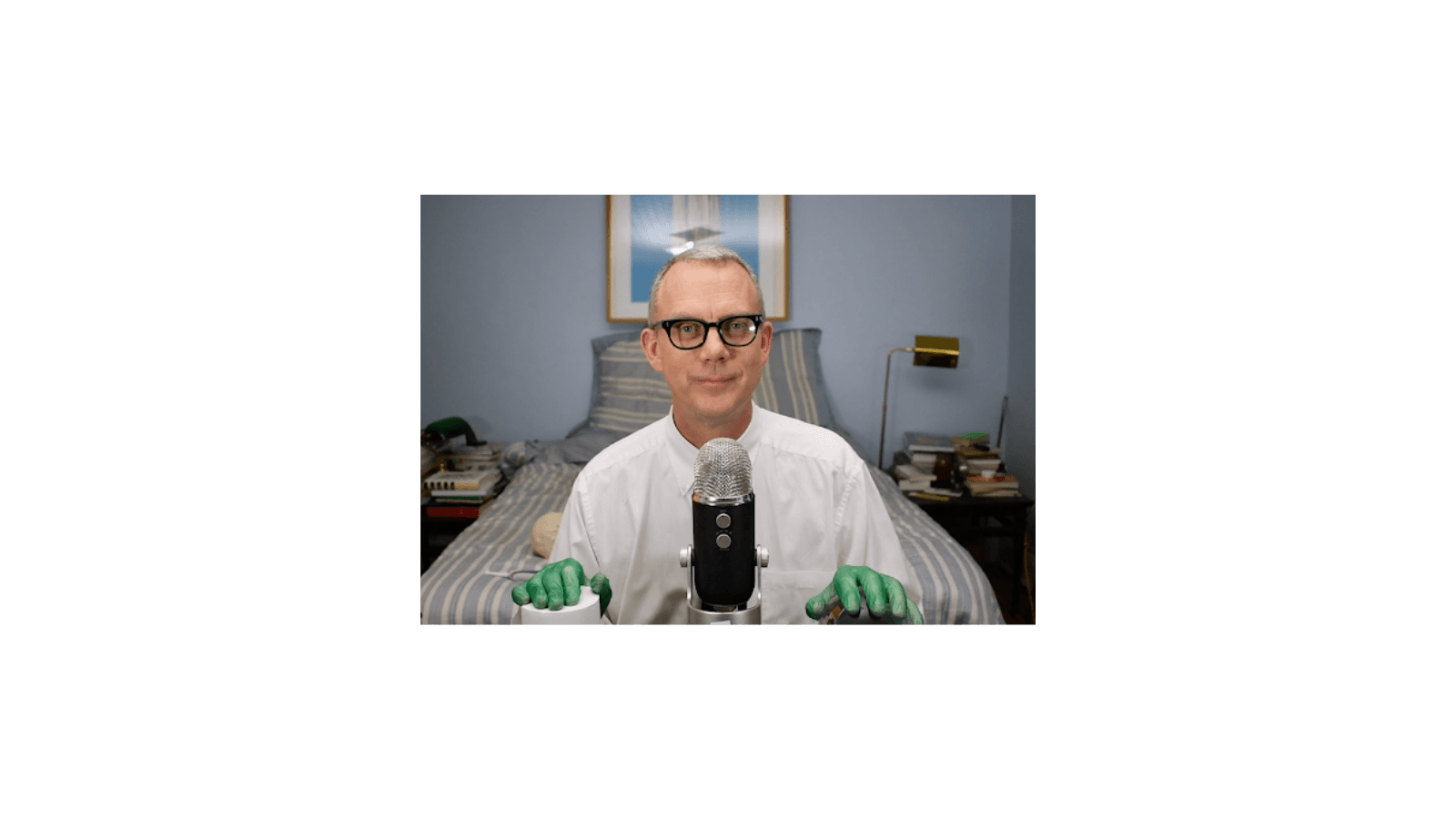
Today, creators have taken Ross's approach and run with it. Channels like Quantum ASMR, Let's Find Out, and Destiny Whispers explain everything from gene editing to black holes using gentle voices.
These videos get millions of views from people who would normally run from physics lectures. ASMR Glow has 1.9 million subscribers, whilst Gibi ASMR boasts 5.2 million. Educational ASMR creators are reaching more people than most university lecture halls see in a year.
Doctors use ASMR techniques to explain procedures to anxious patients. Studies note that mimicking key ASMR triggers like personalised attention and warm voices may reduce stress and anxiety.
Environmental scientists are discovering that climate change information delivered through ASMR methods triggers less eco-anxiety. Research in the Journal of Business Research found that combining environmental messages with ASMR techniques decreased fear responses in 240 young adults whilst maintaining message effectiveness.
AI Gets Weird (In the Best Way)
Credit: FXMedia
AI tools like Google's Veo 3 are creating ASMR content that's physically impossible but scientifically educational. We're talking videos where people safely "consume" molten lava to explain volcanic processes, or interact with crystalline structures impossible to handle in reality.
AI ASMR creators on TikTok are achieving remarkable engagement. @asmraiworks has videos with 2.8 million views, whilst @impossibleais gained nearly 200,000 followers in just 10 days.
As Olivia Moore from a16z noted: "Veo 3 with native sound is such a huge unlock here." We can now create educational content that would normally require significant safety precautions or budgets most institutions don't have.
VR: The Ultimate Science Trip
Credit: OtherWorldly
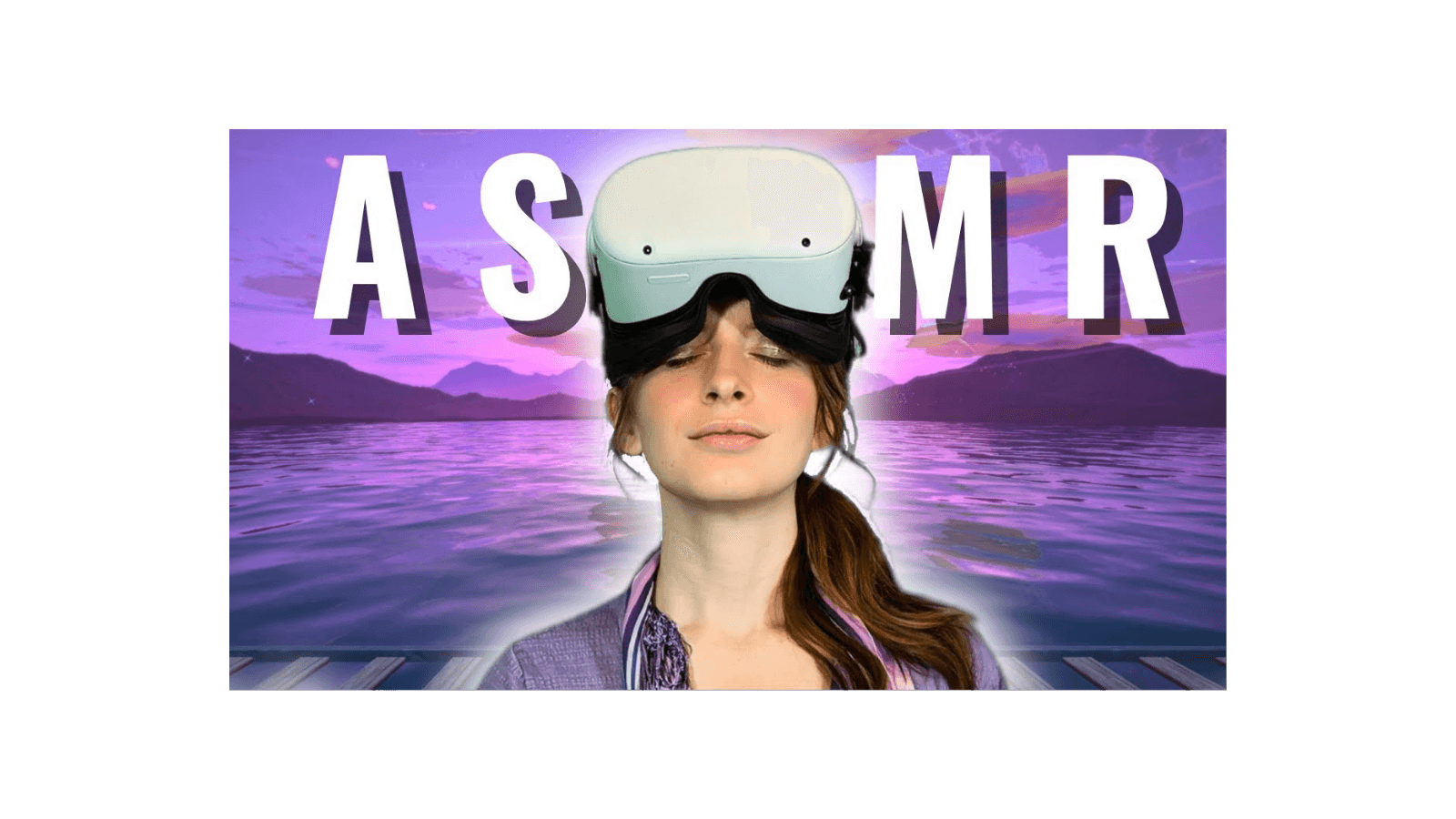
Virtual reality is taking this to its logical extreme. Researchers are building "asmVR" experiences where you can shrink to molecular size whilst someone softly explains cellular processes, or float through space whilst learning about gravity—all with haptic feedback.
A 2024 study found that adding haptic feedback to VR ASMR experiences significantly enhanced both tingling sensations and stress-relief benefits.
I tried one recently. Instead of imagining how molecules interact, I was watching it happen whilst feeling the vibrations of chemical bonds. The ASMR narration kept me relaxed enough to actually process what was happening.
Why This Actually Works (According to Science)
Credit: Mediaofficers
Why does whispering about photosynthesis work better than traditional science communication? There's real neuroscience behind this.
Research in Cognitive Science shows that when people experience ASMR, their brains show increased activity in areas responsible for attention and empathy whilst stress responses dial down.
The systematic review in Psychology of Consciousness by Ruhr University Bochum researchers found ASMR experiences were "associated with short-term positive effects on mental health" and "physiological changes such as slower heartbeat and lower blood pressure."
EEG studies show ASMR increases specific brainwave patterns associated with relaxed focus—fast theta (6–8 Hz) and slow alpha bands (8–10 Hz)—particularly in frontal brain regions.
Research in Applied Psychology involving 240 participants found ASMR delivery significantly reduced fear responses whilst maintaining comprehension. That's huge for science communication, especially around scary topics like pandemics or climate change.
Breaking Down the Ivory Tower
Credit: Audio Exotica
ASMR science communication is remarkably accessible. You don't need fancy labs or expensive equipment. Basic equipment includes free software like Audacity or GarageBand, plus a decent microphone.
This is democratising science communication. With an estimated 500,000 ASMR channels on YouTube, researchers who've never thought of themselves as communicators are discovering they can reach huge audiences.
Dana Park, who started Dana ASMR in 2013, explains: "Many viewers tell me my videos have helped them with anxiety, depression, and insomnia."
Graduate students explaining their research through ASMR videos get more engagement than their university's official PR releases. There's something powerful about removing institutional formality and having real scientists talk about what excites them.
Because ASMR requires minimal production values, the barrier to entry is remarkably low.
The Future Gets Personal
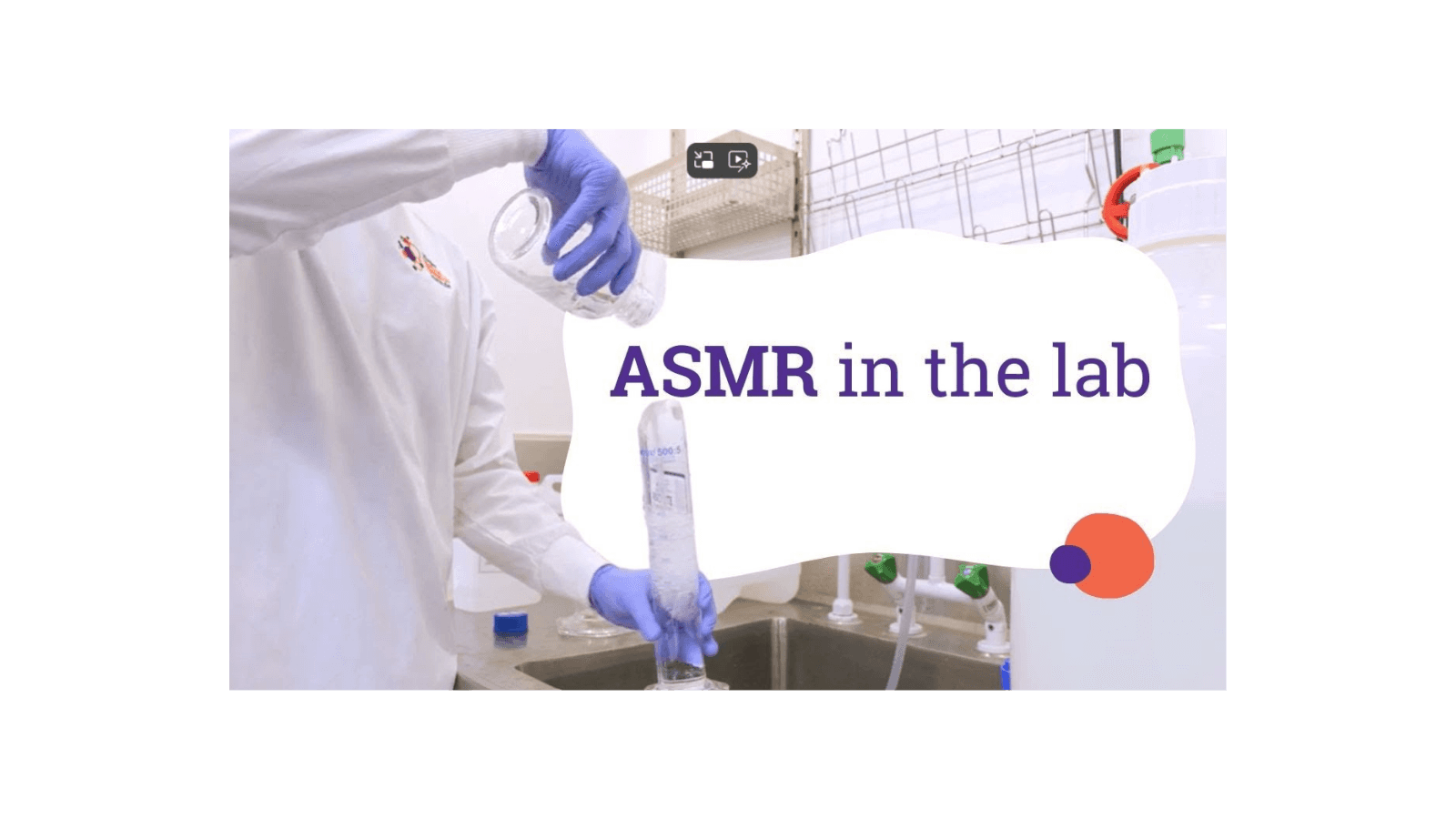
Credit: Hunter Medical Research Institute
Machine learning is starting to personalise ASMR science communication. Future developments include integration with wearable technology measuring physiological responses such as heart rate and brainwave activity.
Imagine systems monitoring your stress levels and comprehension in real-time, adjusting delivery to keep you in that sweet spot between relaxed and engaged.
In a world where scientific literacy is literally survival—where misinformation spreads faster than facts—we need communication approaches that build trust through emotional connection rather than overwhelming with credentials.
Science communication is at a turning point. ASMR offers a path where scientific information becomes not just accessible, but actually appealing. Where learning feels like self-care instead of homework.
This isn't about replacing rigorous discourse. It's about recognising that public science communication needs to meet people where they are emotionally, not just intellectually.
The future isn't about speaking louder from institutional podiums. It's about learning to communicate with genuine care and patience in ways that make people's brains receptive to learning. In that surprisingly gentle approach, we might discover the path to the scientifically literate society our challenges require.
The revolution won't be televised, peer-reviewed, or presented at conferences. It'll be whispered into headphones whilst someone explains why the universe is both beautiful and terrifying.