

From Gen Z to Baby Boomers, everyone's getting their tingles—and learning more than they ever expected
When we left off, we'd established that whispering about quantum mechanics isn't just oddly satisfying—it's actually changing how people engage with science. But here's where things get really interesting: different generations are discovering ASMR science communication in completely different ways.
The Generational Divide: Why ASMR Hits Different Across Age Groups
Credit: Coaching Expatriates
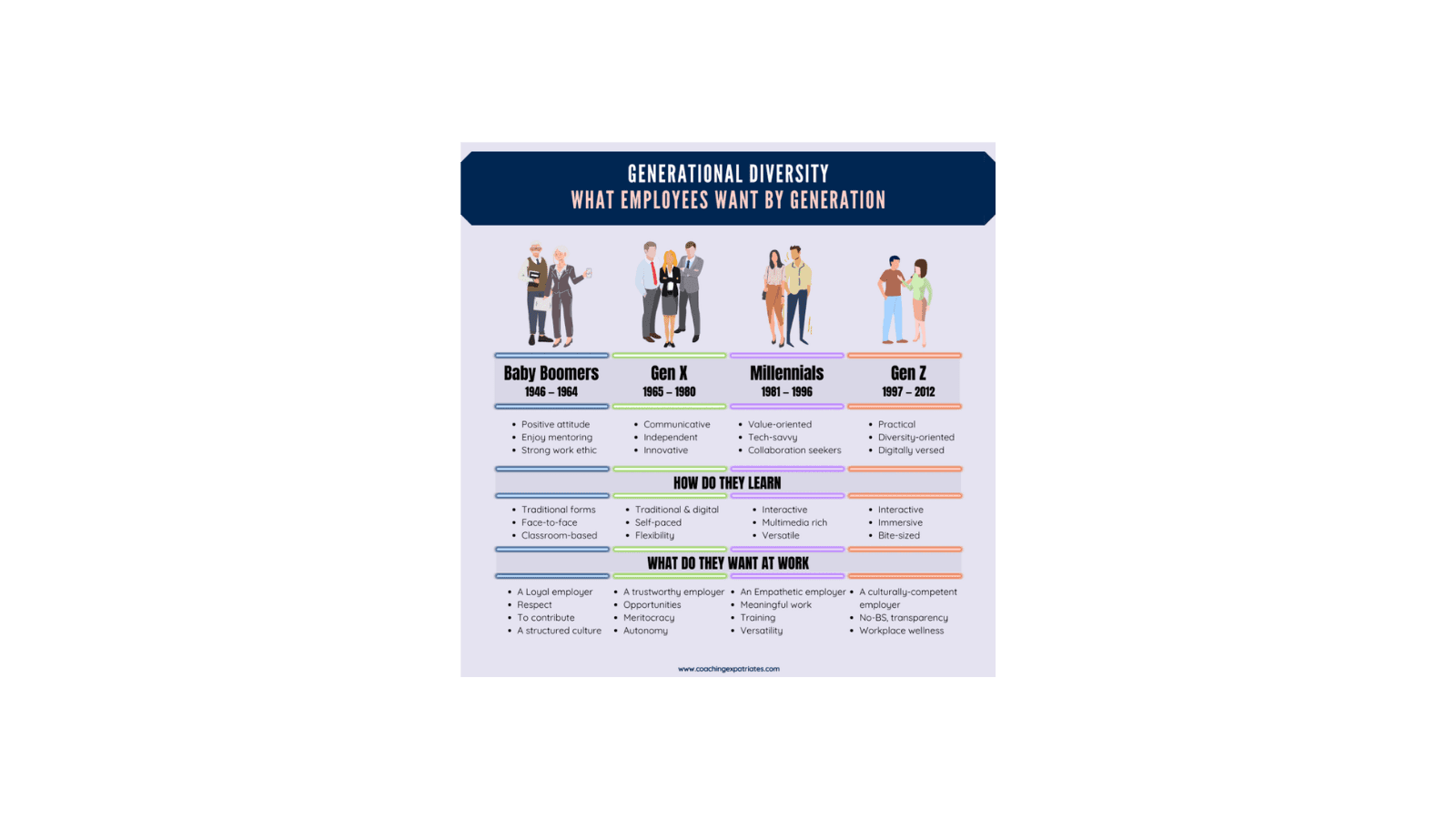
For Gen Z (born 1997-2012), ASMR science content feels like a natural evolution of how they've always consumed information. Research shows 95% of teens have access to smartphones, and 45% report being online "almost constantly." For them, discovering quantum physics through gentle whispers isn't weird—it's just another Tuesday.
Gen Z also carries unprecedented climate anxiety and academic pressure. ASMR science communication offers them a way to engage with serious topics without additional stress. Instead of doom-scrolling through climate disaster headlines, they can learn about environmental science in a format that soothes rather than terrorises.
Millennials (born 1981-1996) might benefit most, though for different reasons. This cohort entered adulthood during economic crashes and information overload. Studies show millennials have higher anxiety rates than previous generations. For them, ASMR science content offers something precious: learning without adding to their stress burden. This is the generation that turned "self-care" into a lifestyle necessity. ASMR science communication literally transforms learning into wellness.
Gen X (born 1965-1980) presents the most interesting challenge. This generation tends to be more sceptical of internet trends and prefers authoritative, credentials-based information. However, Gen X grew up with Bob Ross, Mr Rogers, and early Discovery Channel content. Many report nostalgic connections to these gentle teaching styles. The key is emphasising credible research backing rather than trendy aspects.
Here's the plot twist: Baby Boomers (born 1946-1964) might benefit tremendously, even if they're less likely to seek it out initially. Research shows stress significantly impairs memory formation in older adults. ASMR's anxiety-reducing properties could be particularly valuable for Boomers wanting to stay current with scientific developments. ASMR content often focuses on single topics with patient explanation—exactly what works for older learners who prefer depth over breadth.
When Science Gets Scary
Credit: WebProNews
One promising application is crisis communication. Think about how badly institutions handled science communication during emergencies—remember early COVID? The flip-flopping on masks? The confusing messages that fed conspiracy theories?
Research from Griffith University explored using ASMR in climate change messages for students, finding that "some students believed ASMR could be a positive communication strategy to encourage pro-environmental behaviour." The study in Cleaner and Responsible Consumption found combining negative appeal with ASMR could significantly decrease young adults' fear.
Instead of authoritative pronouncements that trigger distrust, imagine gentle explanations acknowledging uncertainty whilst providing clear guidance. Research shows ASMR delivery reduces fear responses whilst maintaining information retention—exactly what you need during crisis. Traditional crisis communication—emergency broadcasts with stern officials—might be counterproductive. ASMR offers a middle path: serious information delivered to keep people calm enough to think clearly.
The Money Side
Credit: Binaural Eats ASMR
ASMR science communication is becoming real business. Top creators like Zach Choi ASMR have 32.9 million subscribers, whilst Tingting ASMR has 2.6 million. These creators make serious money through YouTube ad revenue, Patreon subscriptions, and corporate partnerships.
Companies are noticing. Michelob Ultra featured ASMR in a Super Bowl commercial with Zoe Kravitz, whilst pharmaceutical firms use ASMR techniques in patient education. Environmental organisations hire ASMR creators for climate messaging. Economic incentives align perfectly with public benefit. The more accessible creators make science, the more they earn—one of those rare situations where doing good and making money go hand in hand.
Going Global
Credit: www.htfmarketinginsights.com
ASMR science communication is naturally international. The visual, gentle nature transcends language barriers more easily than lecture-heavy formats. I've seen collaborations between creators from different countries reaching global audiences. The intimate nature of ASMR content creates connections crossing cultural boundaries in ways formal institutional communication never could.
This global reach is valuable for planetary challenges requiring international cooperation. Climate action, pandemic response, conservation—all benefit from communication approaches building empathy and shared understanding across cultures.
Your ASMR Science Starter Kit
Credit: Audio Exotica
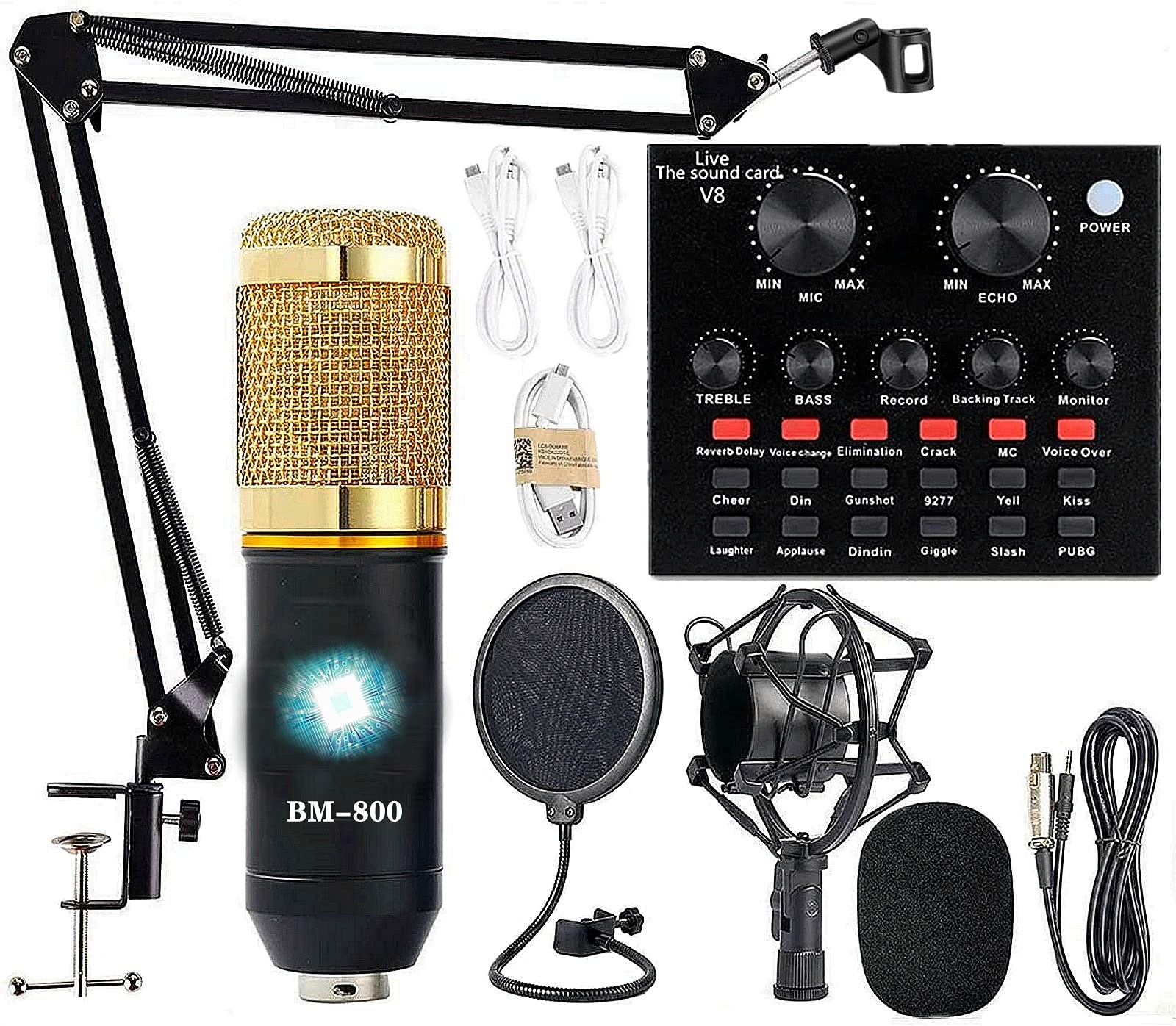
So you're convinced. Where do you start? According to LEWITT's creator guide, you need surprisingly little: a decent microphone (Audio-Technica ATR2100x-USB or Blue Yeti), basic headphones, and free software like Audacity or GarageBand. Add simple props—wooden blocks, test tubes, molecular models, interesting textures.
Pick one science area you're passionate about. Layer your gentle voice explaining concepts over natural sounds—tapping minerals whilst discussing geology, writing equations whilst explaining physics, manipulating models during chemistry lessons. Aim for 15-45 minutes: long enough for flow state, short enough to hold attention.
Position your microphone 6-8 inches away. Record in your quietest space—many creators use closets full of clothes as makeshift sound booths. Dana Park, creating ASMR since 2013, emphasises "a recording can only be as good as the ASMR performance"—technique matters more than expensive gear. Content that resonates includes gentle lab demonstrations, drawing molecular structures, examining specimens whilst explaining properties, and building models whilst discussing principles. Use binaural recording for immersive "3D audio" effect.
The Challenge for Institutions
Credit: Education Week
Can traditional scientific institutions adapt? NASA's social media has started incorporating softer delivery. The National Institutes of Health has experimented with more accessible formats. But most institutions are built around formal, authoritative communication—basically the opposite of ASMR.
The Wellcome Trust has funded research into science communication effectiveness, including emotional engagement studies. The American Association for the Advancement of Science has begun incorporating communication training emphasising empathy and emotional intelligence. Instead of broadcasting from authority positions, they need to create intimate, caring connections. The institutions figuring this out first will have enormous advantages.
What This Means for the Future
Credit: Siles@Rutgers
According to ASMR University's research database, with responses from over 25,000 participants globally, ASMR experiences consistently associate with reduced anxiety, improved mood, and enhanced focus—exactly the conditions needed for effective science communication.
ASMR flips traditional approaches. Instead of dumbing things down, it makes people feel safe engaging with complexity. Instead of authoritative pronouncements, it offers patient guidance. Instead of one-way broadcasting, it creates intimate experiences.
In a world where scientific literacy is survival—where misinformation spreads faster than facts, where fear trumps evidence—we need communication approaches building trust through emotional connection rather than overwhelming with credentials.
Science communication is at a turning point. Traditional approaches fail to reach audiences we most need. ASMR offers a different path—one where scientific information becomes not just accessible, but actually appealing. Where learning feels like self-care instead of homework. Where engaging with science becomes something people seek rather than avoid.
This isn't about replacing rigorous discourse or abandoning intellectual standards. It's about recognising public science communication needs meeting people where they are emotionally, not just intellectually.
The future isn't about speaking louder from institutional podiums. It's about learning to communicate with genuine care and patience in ways making people's brains receptive to learning. In that surprisingly gentle approach, we might discover the path to the scientifically literate society our complex challenges require.
The revolution won't be televised, peer-reviewed, or presented at conferences. It'll be whispered into headphones whilst someone explains why the universe is both beautiful and terrifying. And honestly? That might be exactly what we need.