

This is the second part of a two-part blog series on the history of how people communicate science. Part I examined how science communication has evolved, from the era of ancient poems to the emergence of TV and contemporary culture. This second part speaks about the different formats adopted to disseminate science using the latest technology. Some formats still borrow from yesteryears, such as scientific museums and public speeches. Some are digital, including AI-integrated content, virtual reality, and podcasts.
Science communication as a field
SciComm has been around for hundreds of years, but people didn't start studying or working on it until the middle of the 20th century. The race to space and the Manhattan Project proved how closely science is tied to politics, survival, and people's confidence in large scientific projects. Governments realised that schools couldn't always teach individuals what they needed to know about the workings of nature, to rapidly evolving modern technology.
As a result, schools and colleges in the UK, US, and Australia began to provide approved scientific communication courses. The journal Public Understanding of Science, which launched in 1992, gave the field a strong academic foundation. The People's Science Movement in India in the 1970s and 1980s and the foundation of Vigyan Prasar in 1989 revealed how to talk to people in ways that respect their languages and cultures. From then on, SciComm established itself as a separate field in the country.
Science festivals and Citizen Science
Even though digital technology is taking over the modes of disseminating information, offline formats are still very crucial for sharing science. People still go to public lectures to see scientists in person. People from different fields and cultures get together at science cafés to talk to each other.

Museums provide exhibits that people of all ages can play with and gaze at at their own pace.

Visvesvaraya Industrial and Technological Museum, Bengaluru. Source: https://shop.museumsofindia.org/node/310
At science festivals, people may celebrate new discoveries by taking part in seminars and fun events like demonstrations.
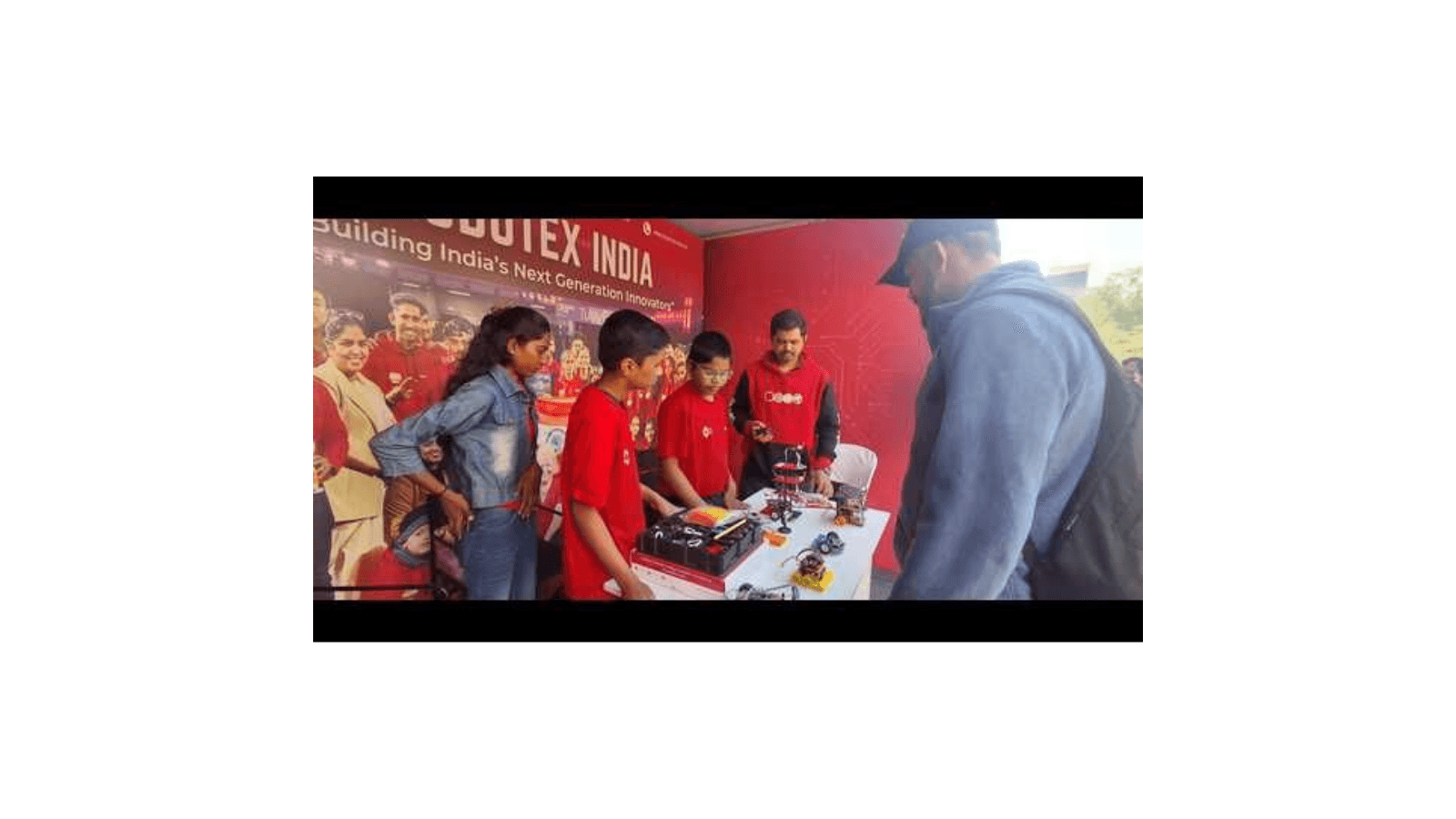
India Science Festival is one of the major Science Festivals in India that brings together science enthusiasts from all over the country and open doors to general public to witness demos and discourses of latest science and tech developments. Source: https://www.hindustantimes.com/cities/pune-news/from-3d-bioprinting-to-brain-controlled-drones-students-lead-the-action-at-isf-2026-101768159613289.html
Theatre and art are also great ways to teach science since they mix facts with feelings. People can undertake genuine research by taking part in citizen science projects, including watching birds or keeping an eye on pollution.
Old-fashioned media are still quite significant. Magazines and photo essays teach you things by showing you things, and newspapers and popular scientific books make hard subjects easy to understand by using simple terms. Radio shows and community broadcasting are still highly important, especially for people who are not very savvy with digital media. These offline modes indicate that you can't replace real-life experiences with digital ones, especially for science communication, where hands-on experiences bring the excitement alive in audiences of all ages.
Podcasts, social networking, and virtual reality
The internet turned SciComm into a space where people from all around the world could talk to each other about the vast topics in science. Veritasium, Kurzgesagt, and AsapSCIENCE are three YouTube channels that employ animations and experiments to make challenging ideas easier to understand. Kids and teens can easily learn about science on TikTok and Instagram. Podcasts like Science Vs and The Infinite Monkey Cage let people learn about subjects in depth while they walk or drive to work.
People may debate about critical issues like climate change freely on online forums and blogs like RealClimate. Google Expeditions and Merge Cubes are two examples of virtual and augmented reality programs that help you learn about anatomy, ecosystems, or space in a fun way. Foldit and Galaxy Zoo are two examples of gamified technologies that let individuals contribute to important research in a direct way.
Digital formats are great, but they do have certain issues. People don't always pay attention for long, algorithms could push dangerous content, and false information spreads swiftly. But they are really important for communicating science these days because they are unique and can reach a lot of people.
AI and New Ways to Talk About Science
Artificial intelligence is the newest frontier expanding the possibilities of science communication. SciSummary and Scholarcy are two apps that make concise, easy-to-read summaries of long and technically complex academic papers. You can use SciSpace to read and compare different scientific papers when you want to understand a topic in depth. BioRender AI and Julius AI assist teachers and scientists in producing visuals that make it easier to grasp data, making science communication more effective. The Open Research Knowledge Graph and other efforts make it easier to read and understand research.
AI can also assist people learn about hard subjects like climate change or protein folding by automatically translating text and making simulations. In the future, conversational agents may be able to answer queries on science, health, technology, and the environment right away.
These new concepts could be really useful, but they also have a lot of dangers. Algorithms can spread both lies and truths, and people might not trust other humans as much if they rely too much on automation. One of the main difficulties for future SciComm will be how to deal with these hazards while taking advantage of the abilities of LLMs and AI agents.
Conclusion
Science communication has changed over time. There are many alternative formats, but the goal is always the same. The goal is to get people interested, teach them something new, and make science a part of their daily life.
The first part of this two-part series shows that SciComm isn't a novel idea; it's something people have always done. Even if new tools come out in the future, science communication will always be about bringing people together with information and keeping the discourse going.
The question is, are scicommers making the best use of emerging formats to enchant audiences, as has been done since time immemorial?